Refinance Calculus Shifts: Homeowners Must Weigh Term and Cash‑Out Goals as Rates Stabilize
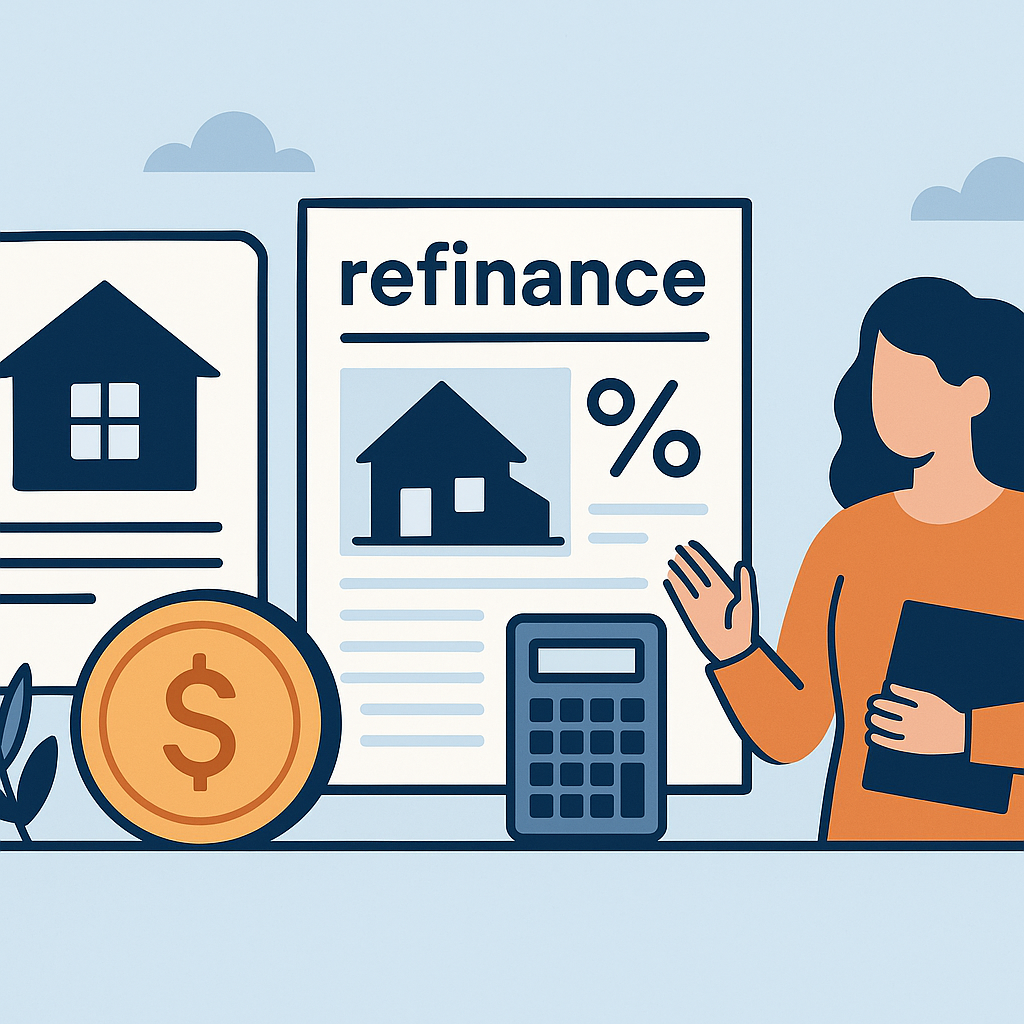
Mortgage refinancing activity has moved from a rush-for-rate mentality to a more measured evaluation of overall loan structure and household objectives. With mortgage rates broadly stabilizing after earlier volatility, the decision to refinance increasingly hinges on factors beyond a headline interest rate — chiefly the length of the new loan, closing costs, and whether borrowers intend to take cash out against home equity.
Where rate drops once triggered a wave of refinance applications, homeowners today are more likely to ask whether a new mortgage will shorten or lengthen their repayment schedule, materially lower monthly payments, or fund home improvements or debt consolidation without eroding long‑term equity. Each of these goals carries different costs and benefits that affect whether refinancing makes sense.
Key considerations include the break‑even period, loan term changes, and the choice between rate‑and‑term and cash‑out refinancing. The break‑even period measures how long it takes for the savings from a lower monthly payment to cover upfront closing costs. Borrowers who plan to remain in their home beyond that period are more likely to realize net savings; those expecting to move sooner may be better served by alternative options, such as refinancing with lender credits or choosing shorter fee recapture timelines.
Changing the loan term can also alter the financial outcome. Moving from a longer to a shorter term can increase monthly payments even as it reduces lifetime interest costs; conversely, extending the term lowers monthly payments but may raise total interest paid. Homeowners should evaluate both monthly cash flow needs and long‑term cost objectives when choosing a term.
Cash‑out refinancing can be attractive for consolidating higher‑cost debt or funding renovations, but it raises loan‑to‑value ratios and can increase the homeowner’s total interest burden. Lenders assess equity, credit history, and debt‑to‑income ratios more closely for cash‑out requests. Borrowers who need funds in the short term should compare a cash‑out refinance to alternatives such as home equity lines of credit, which may carry different fee structures and repayment flexibility.
Other practical factors influence refinancing outcomes. Points, fees, and lender credits affect both the initial cost and the effective interest rate. Credit score changes since the original loan can alter available pricing. Closing timelines and interest‑rate lock options also matter, especially when market expectations are uncertain.
Homeowner takeaways
- Calculate the break‑even period before committing: weigh closing costs against expected time in the home and monthly savings.
- Decide whether you want lower monthly payments, a shorter term, or cash liquidity — each goal can lead to different refinance structures and outcomes.
- Compare the total cost (fees plus interest over your expected holding period), not just the advertised rate.
- Shop multiple lenders for pricing on points, lender credits, and closing fees; small differences in fees can change the break‑even point.
- If considering cash‑out, evaluate how the additional debt affects equity and future refinancing options; compare to HELOCs or personal loans where appropriate.
- Review your credit profile and documentation ahead of applying to avoid surprises that could increase your cost of borrowing.
- Talk to a mortgage professional to model scenarios for different terms and cash‑out amounts tailored to your financial plans.
As mortgage markets settle, the smartest refinance decisions will come from clear goal setting and careful cost‑benefit analysis instead of reacting solely to rate movements. Homeowners who match refinance structure to their time horizon, liquidity needs, and long‑term objectives are likelier to capture lasting financial benefit.
META: topic:mortgage-refinance; angle:term-and-cashout-evaluation; length:~580 words; tone:professional; format:HTML.