Nationwide Lender Cuts Refinancing Fees $500, Reducing Closing Costs For Borrowers
Refinancing Decisions Now Turn on Break‑Even and Remaining Loan Term, Not Just the Rate
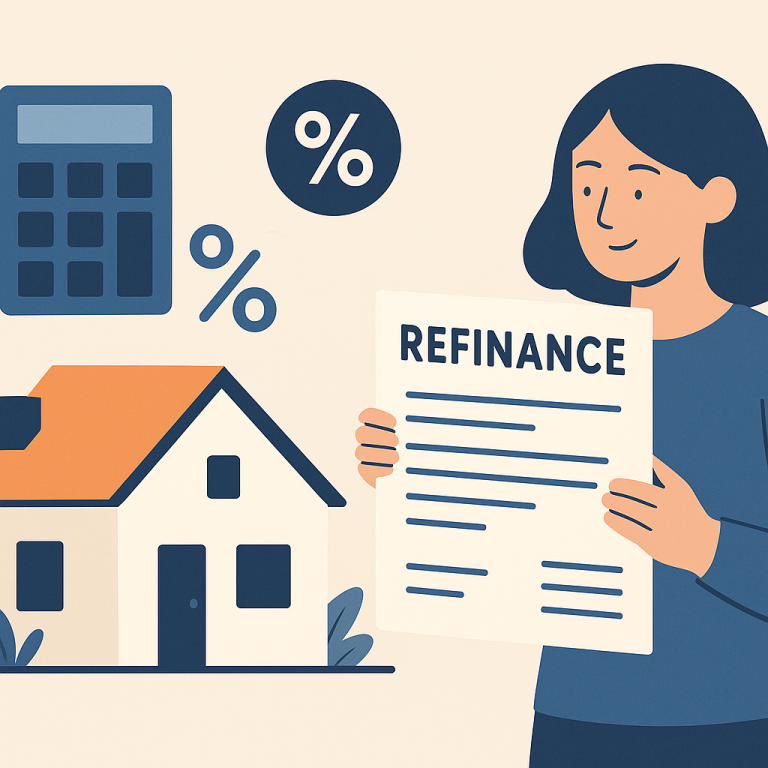
As interest-rate volatility persists, homeowners weighing a refinance increasingly find the key decision is not simply whether the new rate is lower, but how long they will keep the mortgage and whether the refinance pays back its upfront costs. That change in emphasis alters which borrowers benefit most: those with time left on their mortgages and enough equity to avoid excessive fees are more likely to see a meaningful advantage.
Homeowners are seeing a wider mix of loan options from lenders, including shorter-term fixed-rate products and limited-cost “no-closing-cost” offerings that recoup expenses through slightly higher rates. These variations make it important to move beyond headline rates and to assess the refinance in the context of each household’s plans, financial flexibility, and long-term goals.
Why Break‑Even and Term Matter
The break‑even point is the point in time when the cumulative savings from a lower monthly payment equal the upfront cost of refinancing. If a homeowner expects to move or pay off the mortgage before that point, the refinance may not be worthwhile even if the new rate is lower. Conversely, borrowers who plan to stay in the home and shorten the loan term can increase equity faster and reduce total interest paid — often a more important outcome than achieving the lowest possible monthly payment.
Shortening loan term while keeping monthly payment increases manageable can improve long‑run outcomes. For many borrowers, a modest rate reduction paired with a shorter amortization period yields greater lifetime interest savings than a larger rate cut that leaves the original term unchanged.
Other Factors That Change the Calculation
- Upfront costs: Appraisal, title, and origination fees are part of the refinance cost. Whether those costs are paid up front or rolled into the new loan affects the economics and monthly payment pattern.
- Loan‑to‑value and equity: Sufficient home equity often produces better pricing and avoids private mortgage insurance, which can materially affect monthly cash flow.
- Credit profile: Current credit and debt ratios influence the interest rate and available programs; improved credit since the original loan can make refinancing more beneficial.
- Product choice: No‑closing‑cost options reduce immediate outlay at the expense of a higher rate or lender credits; adjustable‑rate and hybrid products change risk exposure over time.
- Tax and insurance consequences: Cash‑out refinances and mortgage interest deductions have implications that vary by individual circumstances.
Homeowner Takeaways
- Run a break‑even analysis before committing: compare total refinance costs to monthly savings and consider how long you expect to keep the mortgage.
- Compare APR and total costs, not just the nominal interest rate, particularly when lenders offer credits or no‑closing‑cost structures.
- Consider shortening the loan term if you can afford a modest increase in payment or want to reduce lifetime interest — the long‑term benefit can outweigh slightly lower monthly payments.
- Check equity and credit ahead of time to understand likely pricing and whether private mortgage insurance will apply to a new loan.
- Shop multiple lenders and run side‑by‑side scenarios; small differences in fees or terms can change whether a refinance makes sense.
Refinancing remains a useful tool, but the optimal decision now emphasizes homeowner timelines and loan structure as much as headline rates. By focusing on break‑even timing, term adjustments, and total costs, homeowners can make more targeted choices that align with their financial goals.
META: refinance-break-even-term-analysis