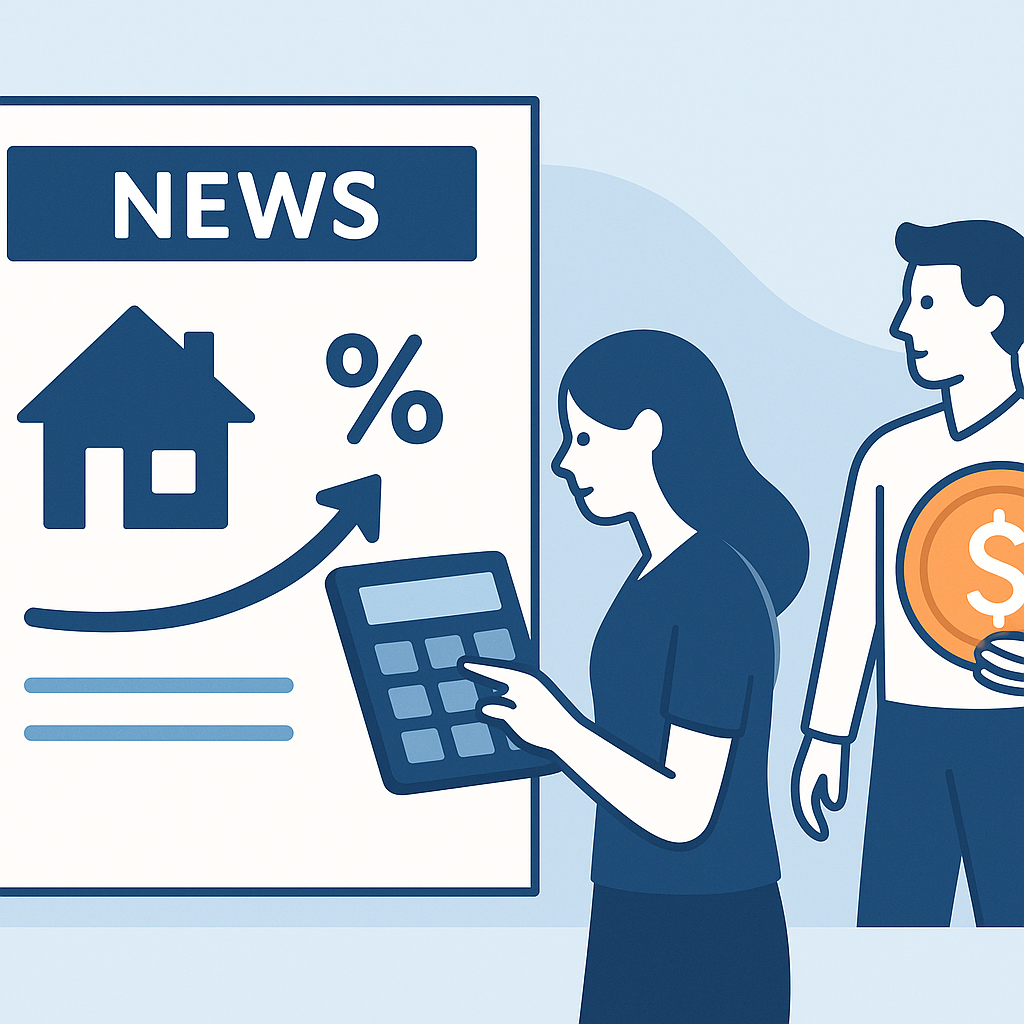
30-Year Fixed Mortgage Rates Fall To 6.10% After Fed Signals Pause
When to Refinance: Weighing Break-Even Time and Long-Term Goals
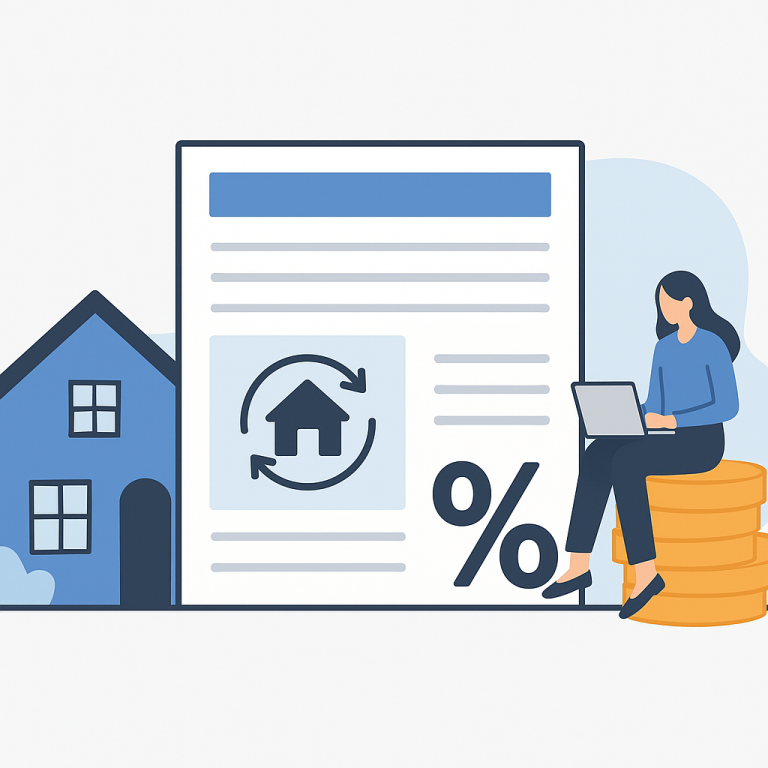
Refinancing remains a practical tool for homeowners, but whether it makes sense now depends less on headlines and more on individual circumstances. Recent market movement has created windows where lowering monthly payments or changing loan types can be advantageous, but closing costs, remaining loan term and future plans for the property all determine the net benefit.
Key factors homeowners should evaluate
Begin by identifying the single objective for refinancing: reduce monthly payments, shorten the loan term, convert to a different product, or extract equity. Each goal alters the calculus:
- Rate-and-term refinance: Focuses on getting a lower interest rate or more favorable amortization. Savings depend on the size of the rate change and how long you plan to keep the loan.
- Term-shortening refinance: Keeps monthly payment similar but accelerates principal paydown, increasing interest savings over the loan life.
- Cash-out refinance: Converts home equity into cash. It raises the loan balance and may increase monthly payments, so the use of proceeds should justify the higher cost.
- Product conversion: Switching between adjustable-rate and fixed-rate loans changes interest-rate exposure and may suit different risk tolerances.
Break-even time is the central metric
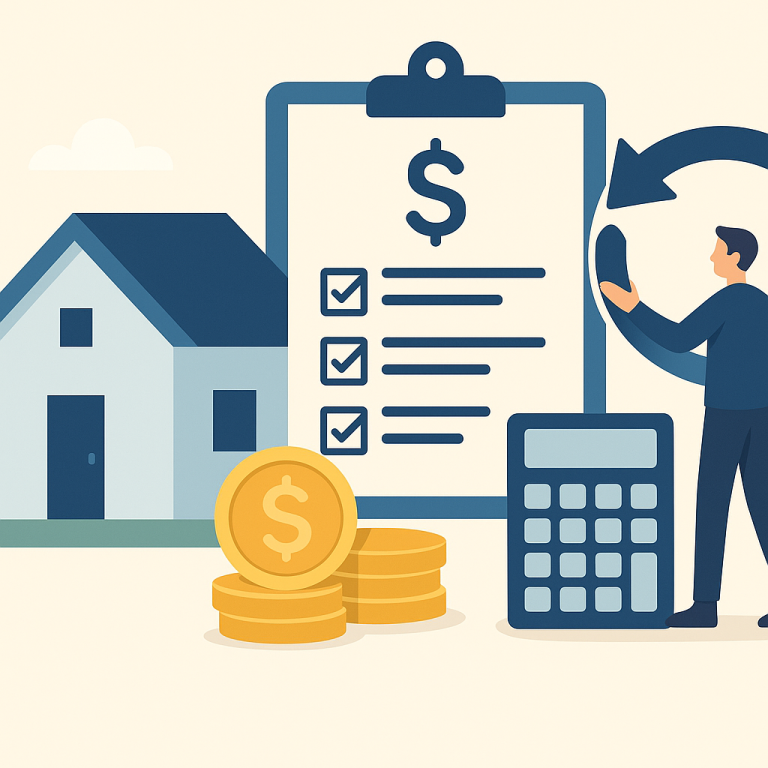
The break-even period — how long it takes for monthly savings to offset closing costs — is the most reliable single indicator of refinance viability. Homeowners with longer expected occupancy and stable plans are more likely to benefit from refinancing to lower rates or shorten terms. Conversely, if sale or relocation is likely within the break-even window, refinancing usually offers limited value.
Practical considerations beyond the headline rate
Closing costs, lender fees, and any prepayment penalties on the existing loan must be included in savings calculations. Appraisal requirements and credit/income verification influence timeline and approval. Shopping multiple lenders can reveal different fee structures, rate options, and credits that change the net benefit.
- Factor in all fees and any lender credits when calculating break-even.
- Compare offers using identical loan terms and cash-out amounts to ensure an apples-to-apples comparison.
- Confirm whether your current loan has prepayment penalties and include those costs if applicable.
- Consider the tax implications of restructuring mortgage interest, particularly for cash-out use; consult a tax professional if needed.
Who is most likely to benefit now
Refinancing typically helps homeowners who plan to stay in their home beyond the break-even horizon, have sufficient equity to avoid costly mortgage insurance, and can qualify for favorable pricing due to solid credit and stable income. Those seeking to lock a predictable payment by converting an adjustable-rate mortgage to a fixed-rate product may also find value when market expectations favor longer-term rate stability.
Homeowner takeaways
- Define your primary objective for refinancing before requesting quotes.
- Calculate the break-even period including all fees; proceed only if you expect to keep the property past that point.
- Shop multiple lenders and compare net costs, not just the headline rate.
- Assess the impact of any cash-out on monthly payments and long-term interest costs.
- Account for appraisal, documentation requirements and potential timeline delays when planning.
Refinancing can improve cash flow, reduce total interest or realign financial risk, but it is not universally beneficial. A careful, objective calculation focused on break-even and alignment with personal plans will identify whether now is the right moment to refinance.
META: refinance-break-even-guide