30-Year Mortgage Refinance Rates Fall to 5.25% After Fed Pause, Demand Rises
At a glance: The latest mortgage rate drop and how it could affect refinancing decisions.
Mortgage rates have moved lower. That can improve affordability and may reopen refinance options for borrowers whose current rate is above today’s quotes.
What the Rate Drop Means for Borrowers
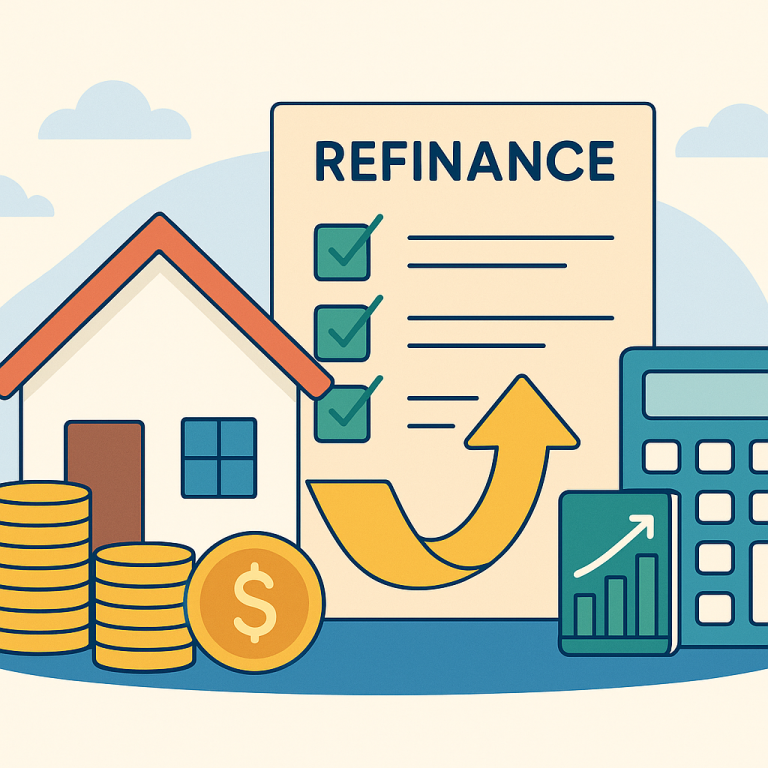
Mortgage refinancing activity has picked up as interest rates ease after a period of volatility, presenting renewed opportunities for homeowners to lower monthly payments, shorten loan terms, or tap equity. While the window may not suit every borrower, the current environment rewards careful comparison and straightforward arithmetic: the decision turns on how long a homeowner plans to keep the property, the cost of refinancing, and the intended use of any cash taken out.
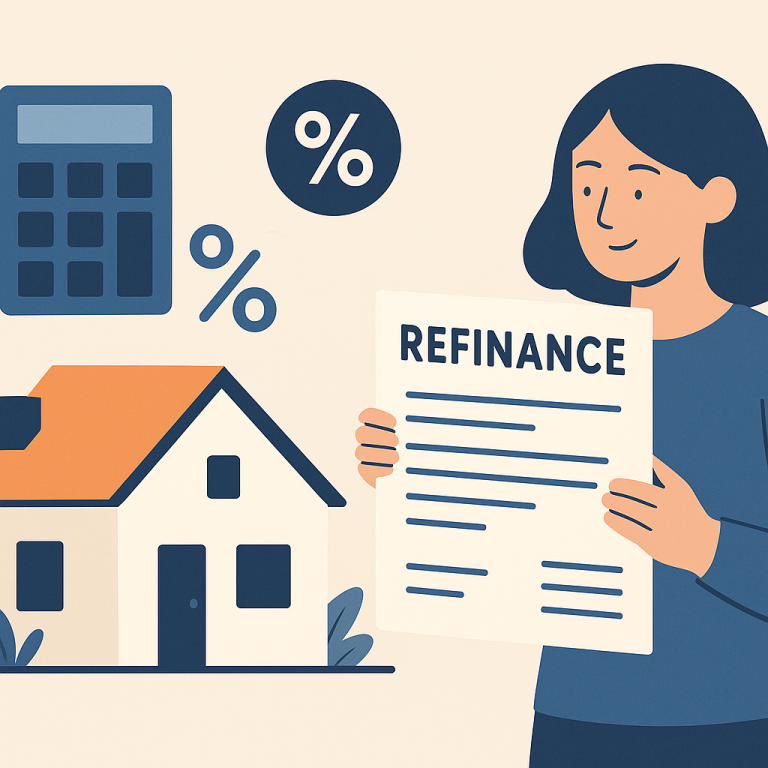
Refinancing can be accomplished in several ways. Rate-and-term refinances replace an existing mortgage with a new loan at a different interest rate or term to reduce monthly payments or total interest paid. Cash-out refinances convert home equity into liquid funds for renovation, debt consolidation, or other needs. Each option carries trade-offs that extend beyond the headline rate.
Key variables to weigh
Evaluate refinancing through a few consistent lenses rather than reacting to headline rate headlines. The most important variables are closing costs, the change in monthly payment, remaining time on the existing mortgage, and the homeowner’s plans for the property. For borrowers who plan to stay in their home for several years, a meaningful reduction in rate or a switch to a shorter term can justify upfront costs. For those who expect to move soon, closing costs can outweigh short-term savings.
Loan term changes also have long-term implications. Extending the amortization to lower monthly payments can increase lifetime interest costs even if the rate is lower. Conversely, shortening the term commonly raises monthly payments but accelerates equity buildup and reduces total interest.
Practical steps for homeowners
- Estimate your break-even point: divide estimated closing costs by the monthly savings to determine how many months it will take to recover the expense of refinancing.
- Compare annual percentage rates (APRs) and fees across several lenders, not just advertised interest rates, to capture origination fees, points, and closing costs.
- Decide on loan duration carefully: run scenarios for different terms to see effects on monthly payment and total interest paid over time.
- Check current credit standing and documentation needed; a stronger credit profile typically produces better rates and fee terms.
- Assess alternatives such as a home equity line of credit (HELOC) or targeted second mortgage if access to cash is the primary goal and you want to avoid resetting the mortgage clock.
- Review implications for mortgage insurance and any prepayment penalties on your current loan.
Common pitfalls and how to avoid them
Homeowners sometimes focus solely on rate reductions without accounting for closing costs or the effects of resetting the loan term. Others use cash-out proceeds for discretionary spending without reserving funds for future home maintenance. To avoid these pitfalls, run conservative projections for different scenarios and verify that the refinance aligns with medium-term financial objectives, such as reducing high-interest consumer debt or funding essential home improvements.
Homeowner takeaways
- Don’t refinance based only on a lower rate; calculate the break-even period and consider how long you will remain in the home.
- Shop across multiple lenders to compare APRs and fee structures rather than focusing on the nominal interest rate.
- Choose a loan term that supports your long-term cost and equity goals; shorter terms save interest but raise payments.
- Consider non-refinance options for accessing cash if preserving your current mortgage schedule is important.
- Factor in potential impacts on mortgage insurance and consult a tax advisor about any tax-related considerations tied to refinancing or cash-out proceeds.
META: refinancing, mortgage rates, homeowner guidance, break-even analysis