30-Year Refinance Rates Dip Below 6.5%, Sparking Surge In Refinance Applications
Refinancing Shifts From Rate Chasing to Targeted Moves as Borrower Priorities Change
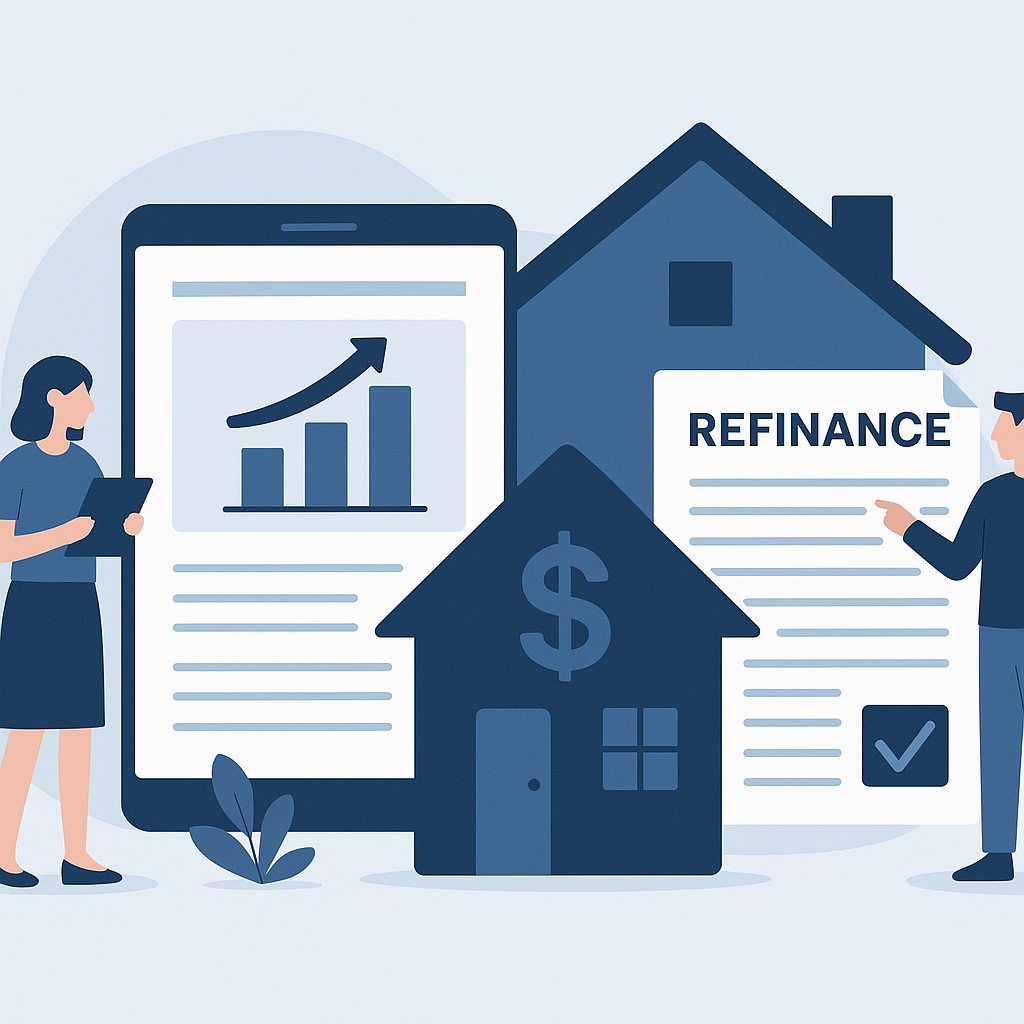
Mortgage refinancing activity is increasingly driven by targeted borrower goals rather than a simple pursuit of the absolute lowest interest rate. Homeowners and lenders are adapting to an environment where rate volatility, lingering underwriting caution and rising home equity are reshaping the calculus for when and why refinancing makes sense.
Industry participants report that many recent refinances are not purely rate-and-term swaps aimed at shaving basis points off a monthly payment. Instead, borrowers are prioritizing outcomes such as shortening the amortization schedule, consolidating higher-cost debt, or extracting equity for home improvements and other defined purposes. Lenders, for their part, are weighing those requests against tighter credit reviews and documentation standards introduced after prior cycles.
The shift reflects several interacting trends. After a period of historically low rates, borrowers who already refinanced in earlier years are less likely to benefit materially from another rate drop. At the same time, home price appreciation in many markets has increased homeowners’ available equity, making cash-out refinances and term-shortening strategies feasible for a wider group.
Underwriting practices have also evolved: investors and banks are focused on verification and borrower resilience, which can affect approval timelines and cost. These dynamics mean that even when a refinance offers a compelling headline benefit, the full picture — including fees, credit requirements and potential changes in monthly payments — must be weighed carefully.
What This Means for Homeowners
For homeowners considering refinancing, the changing landscape points to a more decision-focused approach. Rather than reacting to every rate movement, borrowers should identify a clear objective and assess whether refinancing advances that goal on a net-benefit basis.
- Define the objective: Are you seeking lower monthly payments, a shorter loan term, debt consolidation, or funds for a specific project? Each objective favors different loan structures and cost thresholds.
- Run the net-cost analysis: Add closing costs, fees and any prepayment penalties to the expected savings or benefits to determine the breakeven point and whether the refinance aligns with your time horizon.
- Consider term changes: Moving from a 30-year to a 15-year mortgage can significantly reduce total interest paid even if the rate advantage is modest. Conversely, extending term to lower payments can increase long-term interest costs.
- Evaluate equity and loan-to-value: Available equity influences eligibility for cash-out options and refinance pricing. Lenders may require additional documentation when equity is used for non-housing purposes.
- Check credit and documentation readiness: Strong credit, stable income and organized paperwork streamline underwriting and improve access to competitive pricing.
Timing remains important but is no longer the sole determinant. With rate volatility possible, locking a competitive offer can protect expected savings, but borrowers should avoid locking hastily without confirming that the refinance fits their broader financial plan.
Finally, homeowners should compare multiple offers and consider alternatives, such as home equity lines of credit for short-term liquidity needs or targeted principal prepayments for those focused on paying down the mortgage faster. Working with a trusted loan officer or financial advisor can help translate the refinancing environment into a strategy tailored to individual goals.
META: refinancing, mortgage trends, homeowner takeaways, term shortening, cash-out, underwriting