Fannie Mae Tightens LTV Limits For Cash-Out Refinances Effective April 1
Moderating Rates Prompt Selective Refinance Uptick; Breakeven Analysis Is Now Essential
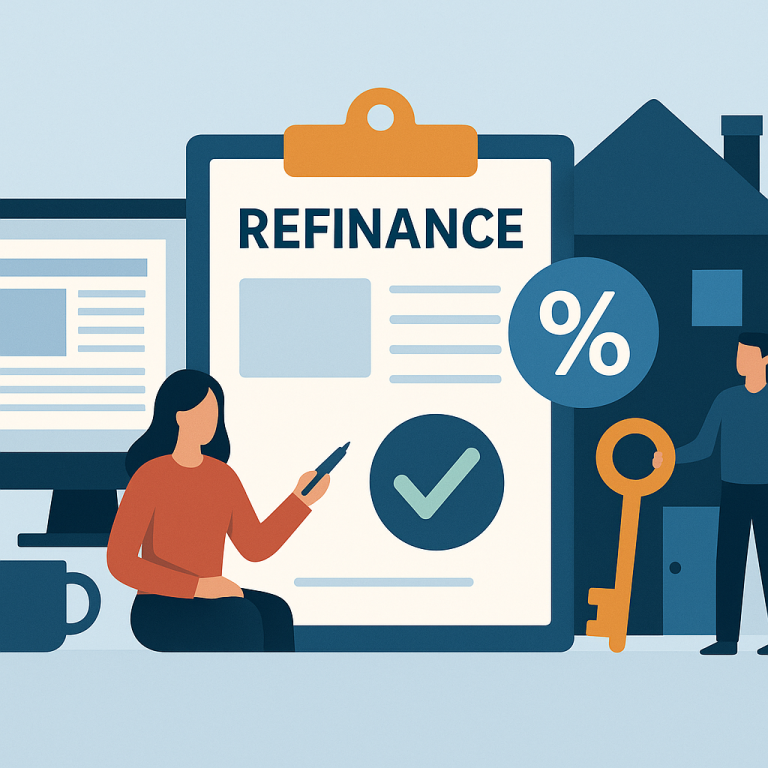
Mortgage refinance activity has increased modestly as interest rates have moved down from their recent highs, but the change is prompting more selective decisions among homeowners than a full-scale refinancing wave. Lenders are responding cautiously, and higher closing costs and longer breakeven horizons are shaping whether refinancing makes financial sense for any particular borrower.
Industry participants report more inquiries and applications, particularly from borrowers with strong credit profiles and significant home equity. However, underwriting remains deliberate and some credit overlays persist, meaning approvals are not automatic even when a new rate is available. At the same time, origination fees, title costs and third-party charges continue to be meaningful components of the total refinance cost, which limits net savings for many homeowners.
For homeowners, the critical calculation is the breakeven period — how long it will take for monthly savings or other benefits from a new loan to cover upfront costs. That horizon has lengthened for a portion of borrowers because the difference between prevailing rates and some outstanding mortgages is modest once closing costs are included. Borrowers who expect to move or sell in the short term may find that refinancing does not pay off, while those planning to stay in their homes longer are more likely to realize net benefit.
Beyond the headline rate, other factors influence outcomes. Refinancing to a shorter-term fixed rate can increase monthly payments even as it reduces total interest paid over the life of the loan. Cash-out refinancing remains an option for homeowners seeking liquidity, but it changes the cost-benefit profile and may increase interest rate and monthly payments. Borrowers should also consider whether refinancing resets the amortization schedule in a way that delays principal paydown compared with their current loan.
Lenders are offering a mix of rate-and-term and cash-out options, and some are promoting limited-time credits or float-down features. But terms vary between institutions, so shopping across multiple lenders can materially affect the breakeven calculation. Timing of rate locks also matters: short-term rate movements can change projected savings between application and closing, particularly in a market with intermittent volatility.
Practical steps for homeowners
- Calculate your personalized breakeven point: include all closing costs, any prepayment penalties, and the change in monthly payment to estimate how long you need to keep the new loan to benefit.
- Compare loan scenarios: evaluate rate-and-term versus cash-out, and compare shorter versus longer terms to see total-interest impacts and monthly-payment trade-offs.
- Shop multiple lenders: get written estimates to compare fees, points and any lender credits; small differences in fees or rate can change the breakeven outcome.
- Review loan documents for prepayment penalties, escrow changes and whether refinancing alters insurance or tax payment timing.
- Consider timing and rate lock strategy: if you proceed, choose a lock period that balances the risk of rising rates with the cost of locking early.
- Factor in non-financial goals: stability of payments, desire to build equity faster, or freeing cash for other priorities can justify refinancing even with a longer payback horizon.
As markets and lender offerings evolve, homeowners can make better decisions by focusing on individualized calculations rather than headline-rate comparisons. The current environment favors targeted refinances — borrowers with sufficient equity, clear timelines and specific goals are most likely to benefit.
META: topic=refinance;angle=breakeven;audience=homeowners;format=article