Major Lender Cuts Refinance Fees, Reducing Typical Closing Costs By Up To $1,200
Higher Rates Narrow Refinance Window, But Strategic Moves Still Pay Off
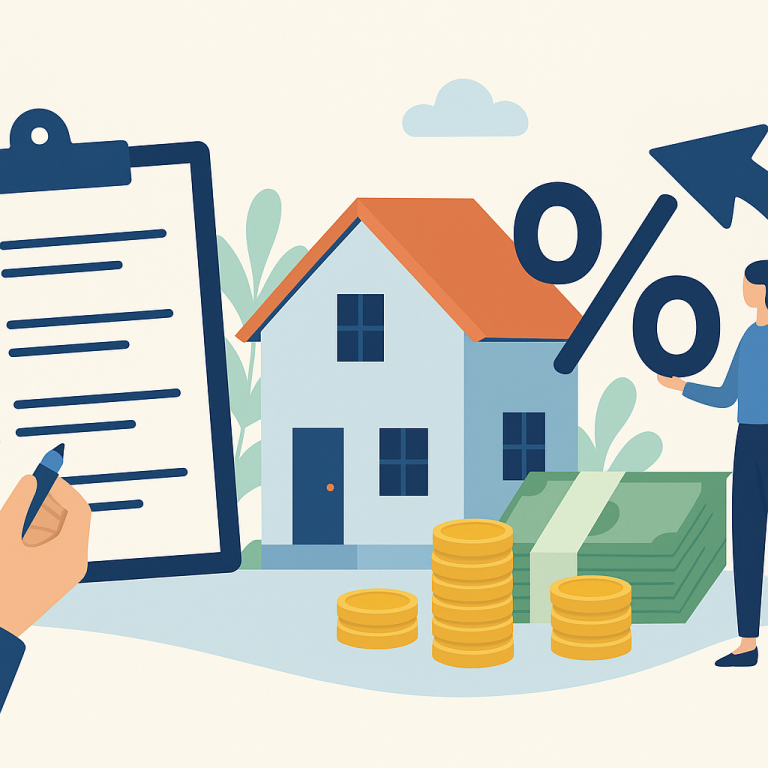
Refinancing activity has cooled as mortgage rates have moved upward from the lows seen in recent years. For many homeowners the immediate incentive to refinance — a sharply lower monthly payment — has diminished, but refinancing remains a practical tool for specific financial goals when approached selectively.
Why refinance applications have slowed
Mortgage rate volatility and a smaller gap between existing and new loan rates are the main factors curbing demand. Homeowners who locked in historically low rates during prior years find fewer opportunities to reduce their monthly payment enough to justify closing costs. At the same time, tighter lender underwriting and higher home values in some markets have affected loan-to-value calculations, influencing eligibility for certain refinance products.
When refinancing still makes sense
Refinancing is not a binary decision tied solely to headline rates. It can be worthwhile for borrowers with specific goals:
- Shortening the loan term to build equity faster and pay less interest over the life of the loan.
- Switching from an adjustable-rate to a fixed-rate mortgage to reduce payment uncertainty.
- Consolidating higher-cost debt through a cash-out refinance, when the homeowner can secure a lower overall interest burden after considering costs.
- Accessing home equity to fund major expenses when other borrowing options are more expensive or unavailable.
How homeowners should evaluate a refinance
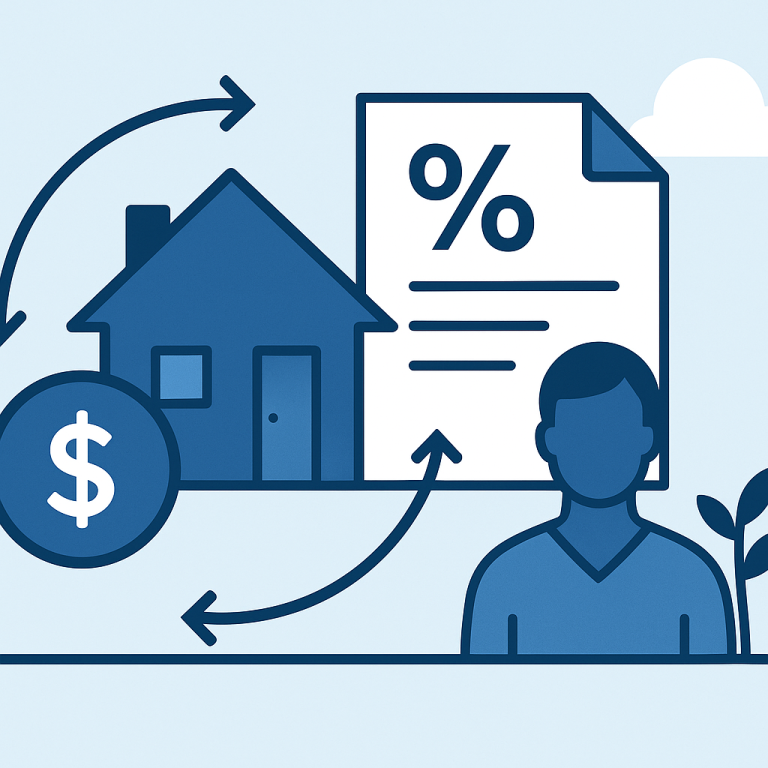
Begin with a realistic assessment of the net financial benefit. That includes comparing the current interest rate and remaining term with the proposed loan, estimating closing costs, and calculating the break-even period — the time it takes for monthly savings to offset upfront expenses. Borrowers who plan to remain in their home beyond the break-even point are more likely to see value.
Credit profile and documentation matter. Improved credit and steady income can secure better pricing, while poor credit or recent credit events can limit options. Home equity and the property’s current valuation also influence available programs and costs.
Practical steps before you refinance
Shop multiple lenders to compare rate quotes and fee structures. Ask for a Loan Estimate to understand the detailed costs and timeline. Consider lender credits and rate adjustments tied to loan features, such as term length or prepayment penalties. If the goal is debt consolidation or cash-out funds, model the long-term interest costs and alternative strategies, like personal loans or HELOCs, to weigh trade-offs.
Homeowner takeaways
- Refinancing is less attractive broadly when rates are higher, but it can still meet specific financial objectives.
- Calculate a clear break-even period before proceeding; short-term residents are less likely to benefit.
- Prioritize loan features that align with your goals: stability, term reduction, or access to equity.
- Compare multiple lenders and request detailed cost estimates to avoid surprises at closing.
- Consider non-refinance alternatives (HELOC, targeted debt repayment) if refinancing costs outweigh benefits.
META: topic=refinance; angle=selective-refinancing-amid-higher-rates; length=approx-580-words