MBA Reports Refinance Applications Jump 18% After 30-Year Fixed Falls To 6.0%
At a glance: The shift in refinance applications and how it could affect refinancing decisions.
What the Applications Shift Means for Borrowers
Refinance activity has edged up following a period of mortgage rate stabilization, prompting many homeowners to reassess whether refinancing now makes sense. Lenders have responded with adjusted offerings and more active marketing, but experts caution that the decision depends on each household’s goals and the specifics of their mortgage rather than headline rate headlines alone.
Why refinancing is attracting attention
After a stretch of elevated rates, recent easing has created windows where a rate-and-term refinance can reduce monthly payments or shorten the loan term without dramatically increasing the payment. Lenders are also promoting cash‑out options for borrowers who have accumulated equity and want liquidity for home projects or debt consolidation. At the same time, stricter underwriting in earlier cycles means some applicants face tighter eligibility requirements than they did before.
Key factors homeowners must weigh
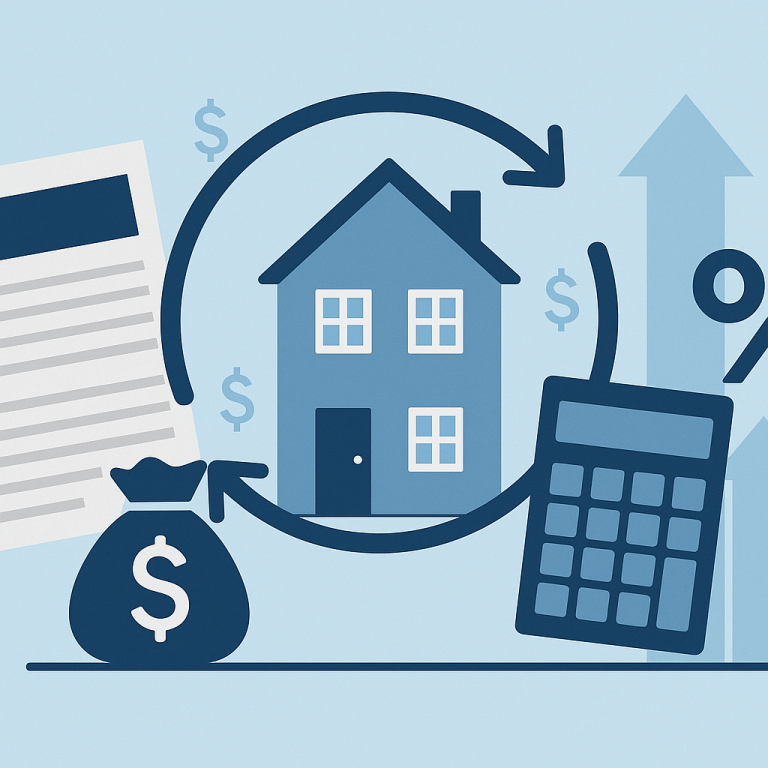
The central calculus for any refinance is straightforward: compare the savings from a lower interest rate or a shorter term with the costs of executing the refinance. Closing costs, fees, and the time it takes to recover those costs (the break-even period) are crucial. Borrowers should also consider how long they plan to keep the property — a shorter expected tenure can reduce the value of a refinance even when rates look advantageous.
Other important considerations include:
- Loan type and term: Switching from an adjustable-rate mortgage to a fixed-rate, or moving from a very long term to a shorter term, changes both monthly cash flow and long-term interest paid.
- Equity and loan-to-value: Sufficient home equity improves pricing and access to certain refinance products; low equity can limit options or increase costs.
- Credit profile: Credit score and debt-to-income ratio still affect the interest rate and fees lenders will offer.
- Prepayment penalties and existing loan features: Some older mortgages include features that make refinancing less attractive unless they have expired or been waived.
Practical steps before committing
Homeowners should start by estimating the break-even period: divide the total costs of refinancing by the expected monthly savings to determine how many months it will take to recoup expenses. Running side-by-side comparisons of current and prospective loan scenarios — including total interest over the remaining lifetime of the loan — helps clarify tradeoffs.
Shop with multiple lenders to compare rate quotes and fee structures, and ask for a Good Faith Estimate or Loan Estimate to see the itemized costs. Consider whether a rate lock makes sense given market volatility and be mindful of the lock expiration. If cash-out refinancing is under consideration, compare its cost and tax implications with alternatives such as a home equity line of credit.
Homeowner takeaways
- Refinance only when projected savings exceed closing costs within the time you intend to keep the home.
- Evaluate whether lowering payments or shortening the term aligns with your financial goals.
- Compare multiple lenders and review Loan Estimates carefully to avoid surprise charges.
- Maintain awareness of credit and equity requirements that can affect pricing and approval.
- If considering cash-out, weigh alternatives and the impact on long-term affordability and interest costs.
Refinancing can be an effective tool when timed and structured to a homeowner’s objectives. The recent uptick in activity reflects pockets of opportunity, but prudent comparison and planning remain essential to realize the intended benefits.
META: refinancing, mortgage rates, homeowner takeaways, loan decision-making