Major Lender Cuts Refi Fees, Lowers Rates For Borrowers With 720+ Credit Scores
At a glance: Lower refinance fees and closing costs and how it could affect refinancing decisions.
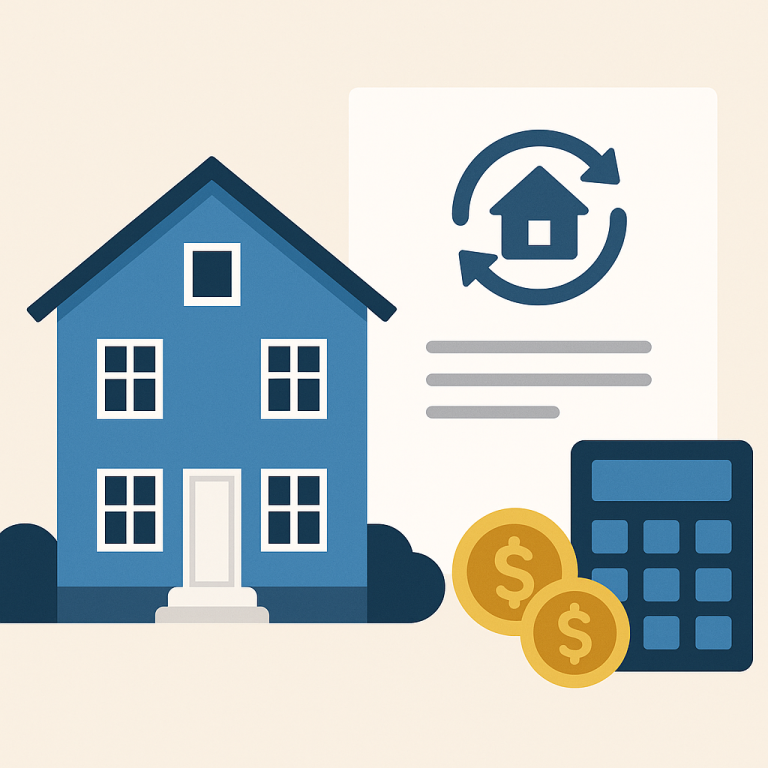
Lenders have cut refinance origination fees, reducing closing costs and shortening breakeven timelines for many borrowers.
What Lower Refinance Fees Mean for Borrowers
As mortgage rates retreat from recent highs, refinancing activity has shown renewed interest among homeowners. Lower rates can offer opportunities to reduce monthly payments, shorten loan terms, or switch to a more stable loan structure. However, a refinance is not automatically beneficial for every borrower. Homeowners should weigh the immediate costs against long-term savings and align any decision with their broader financial goals.
Refinancing can deliver material benefits when the new loan meaningfully lowers interest expense, improves cash flow, or reduces total interest over the remaining life of the mortgage. It can also be a tool for consolidating higher-cost debt or tapping home equity for large expenses. But refinancing carries closing costs, and the economic value depends on how long the homeowner plans to remain in the property and how they finance the transaction.
Key considerations for homeowners evaluating a refinance include:
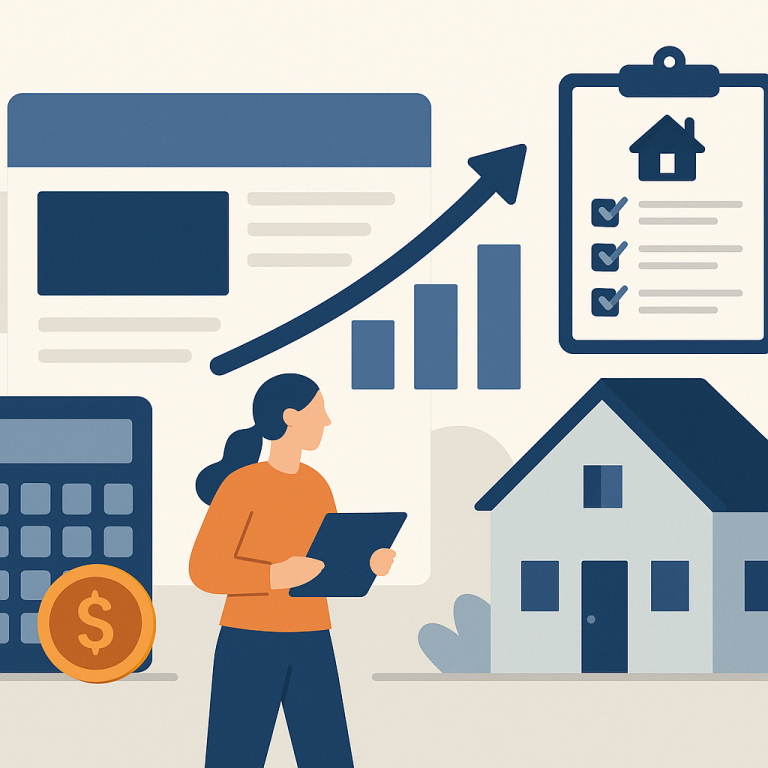
- Break-even analysis: Compare the upfront costs of refinancing with the monthly savings to calculate the time it takes to recoup those costs. If the homeowner expects to move or sell before reaching the break-even point, refinancing may not be worthwhile.
- Loan term and interest rate trade-offs: Extending the loan term can lower payments but may increase total interest paid over the life of the loan. Conversely, shortening the term typically raises monthly payments while reducing total interest.
- Closing costs and fees: Origination fees, appraisal costs, title charges, and other closing expenses should be included in any cost-benefit analysis. Some lenders offer no-closing-cost refinances that roll fees into the loan balance, which affects long-term interest expense.
- Credit profile and eligibility: Credit score, income documentation, and loan-to-value ratio influence available rates and loan programs. Homeowners with stronger credit and sufficient equity generally qualify for better terms.
- Tax and liquidity implications: Converting equity into cash via a cash-out refinance or HELOC affects liquidity and may have tax consequences depending on how funds are used.
Choosing the right timing and product requires more than watching headline rates. Lenders price loans differently based on borrower characteristics and loan features. Locking a rate can protect against upward movement but may come with fees or restrictions. Additionally, options such as refinancing into a fixed-rate mortgage can offer stability when economic outlooks are uncertain, while adjustable-rate products may be attractive for borrowers planning a near-term sale.
Homeowners should also consider alternatives to a traditional rate-and-term refinance. For smaller cash needs, a home equity line of credit may offer greater flexibility. For those focused on paying down debt faster, accelerating payments or making targeted principal reductions can reduce interest without incurring refinance costs.
Before proceeding, collect loan documents, obtain multiple lender quotes, and run a clear break-even calculation that includes all closing costs and projected horizon in the property. Speak with a trusted mortgage professional who can model scenarios tailored to your balance, remaining term, and goals.
Takeaway: a refinance can be a powerful financial move when it aligns with your timeline, reduces total or monthly interest in a meaningful way, and fits your liquidity and tax considerations. Careful comparison-shopping and a straightforward cost-benefit analysis are essential to determine whether now is the right time to refinance.
META: refinancing, mortgage rates, break-even analysis, homeowner guidance