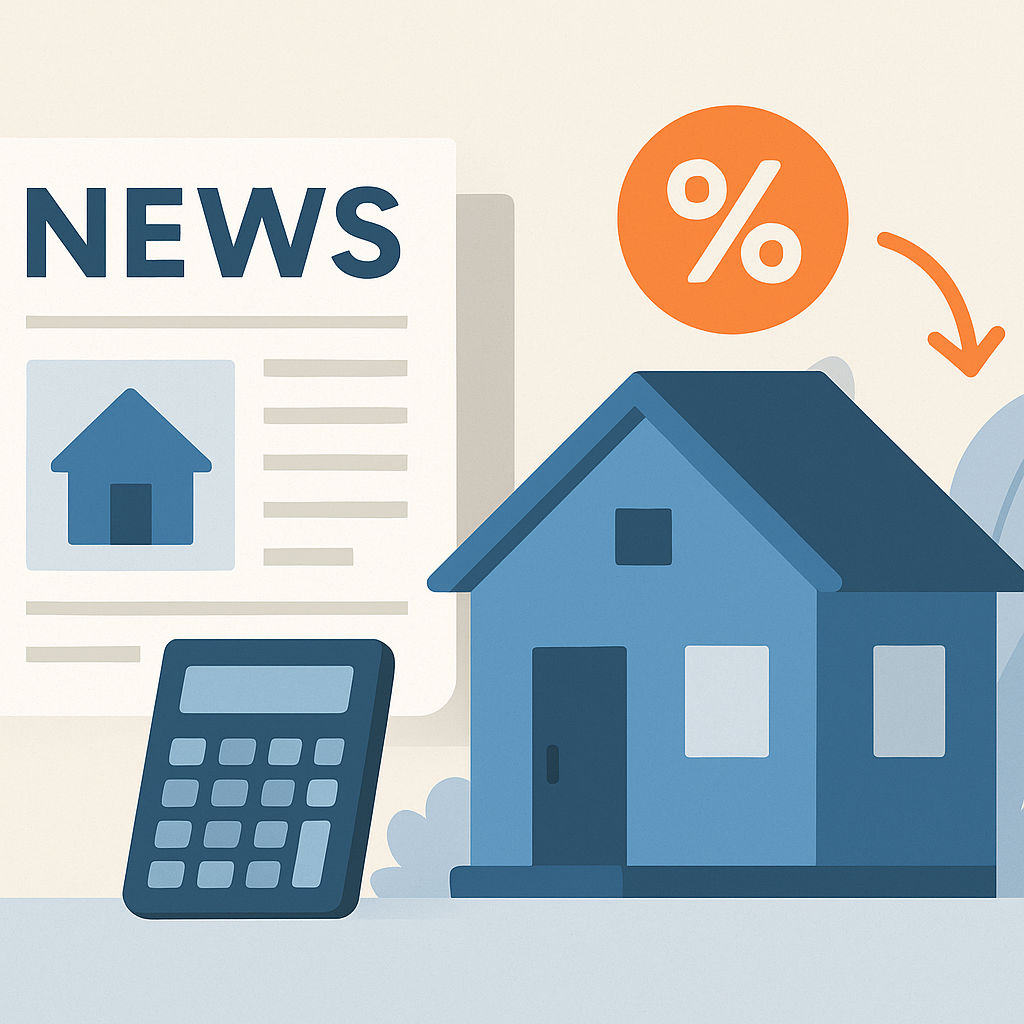
Mortgage Rates Drop to 5.25% This Week, Boosting Refinance Applications
At a glance: The latest mortgage rate drop and how it could affect refinancing decisions.
Mortgage rates have moved lower. That can improve affordability and may reopen refinance options for borrowers whose current rate is above today’s quotes.
What the Rate Drop Means for Borrowers
Homeowners weighing a mortgage refinance often focus on headline interest rates, but whether a refinance makes sense depends on several practical factors. With market rates stabilizing after recent volatility, the more useful question for many borrowers is how a refinance fits with their financial goals and timing — not just whether rates are lower than the rate on their current loan.
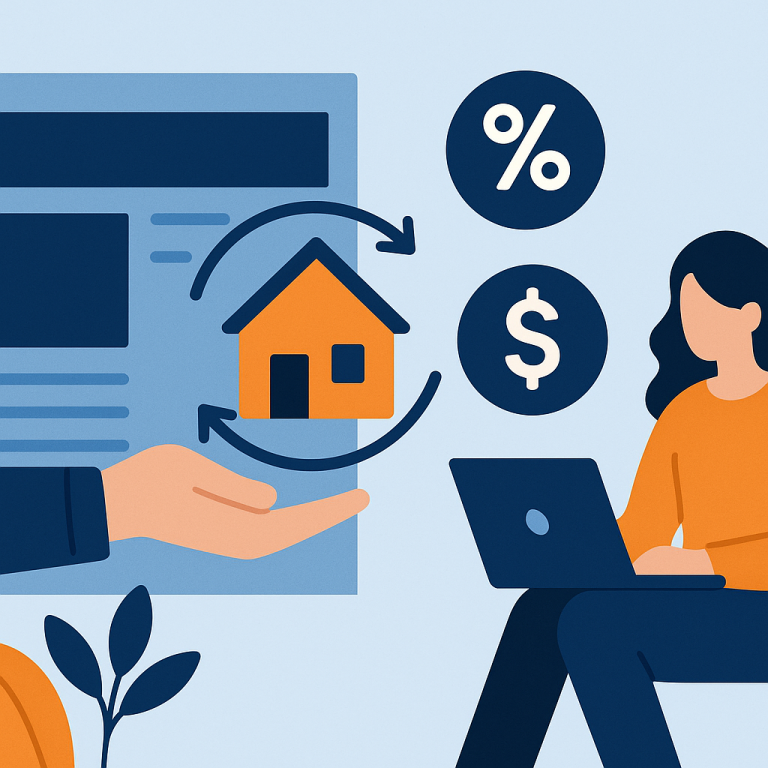
Refinancing can reduce monthly payments, shorten the loan term, access home equity, or consolidate higher-cost debt. Each objective changes the calculus: cutting the interest rate is valuable when it meaningfully shortens the time needed to recoup closing costs, while a term reduction delivers long-term interest savings at the expense of higher payments. Cash-out refinances increase liquidity but change your loan-to-value and may affect mortgage insurance and interest charges over time.
Key Factors to Evaluate
-
Break-even period: Compare the refinance closing costs with the monthly savings to estimate how long it will take to recover upfront expenses. If you expect to stay in the home past that point, the refinance is more likely to be worthwhile.
-
Remaining loan term: Borrowers early in their mortgage amortization may find rate-and-term refinances yield larger monthly savings than those near payoff, because more of each existing payment currently goes toward interest.
-
Loan purpose: If your priority is reducing total interest paid, shortening the term may be preferable even without a dramatic rate drop. If cash flow is the priority, lowering the monthly payment through rate reduction or extending the term can help.
-
Equity and mortgage insurance: Sufficient home equity can unlock the best refinance options and avoid private mortgage insurance. Cash-out refinances reduce equity and should be balanced against long-term cost.
-
Credit and income stability: Strong credit and stable income typically attract better rates. If financial circumstances recently changed, the refinance offer may reflect that and alter the decision.
-
Future plans: If you plan to sell or move soon, the upfront costs of a refinance may not be recovered. For longer-term owners, refinancing may deliver cumulative savings and improved terms.
Practical Steps for Homeowners
Start by obtaining a clear estimate of all refinance costs from a lender, including closing costs, third-party fees, and any prepayment penalties on your current mortgage. Calculate the break-even period and compare it with your expected time in the home. Request multiple loan quotes to compare annual percentage rates, fees, and loan features rather than focusing only on the nominal interest rate.
Consider running side-by-side scenarios: one that reduces monthly payments, one that shortens the term, and one that uses a cash-out feature if you need funds for home projects or high-interest debt. Factor in potential tax implications and consult a tax advisor if you expect changes in deductible interest or if you use cash proceeds for investments.
Homeowner Takeaways
- Don’t decide on rate alone—calculate the break-even point against your expected time in the home.
- Match the refinance type to your goal: lower payment, shorter term, or access to equity.
- Shop multiple lenders and compare APR and fees, not just the headline rate.
- Check how a refinance will affect mortgage insurance, tax considerations, and long-term interest cost.
- If you plan to move soon or lack sufficient equity, alternative strategies may be better than refinancing.
META: refinancing decision, break-even analysis, mortgage refinance guidance, homeowner action steps